

Leopard Gecko Enclosure Setup: The Ultimate Guide. Setting up the perfect leopard gecko enclosure is one of the most important steps to keeping your leopard gecko happy, healthy, and thriving for 15–20+ years. Whether you’re a first-time owner or upgrading your current setup, this comprehensive guide covers everything you need for a successful leopard gecko tank setup — from choosing the right size enclosure to creating the ideal temperature gradient, substrate, hides, and enrichment.
Proper leopard gecko enclosure setup mimics their natural arid habitat in the deserts of Pakistan, India, and Afghanistan while preventing common issues like impaction, stress, or improper shedding. Follow this step-by-step guide and you’ll have a bioactive-ready or simple naturalistic habitat your gecko will love.
My Leopard Gecko Enclosure Tour! Basil’s Setup & Humid Hide Guide 
Why a Proper Leopard Gecko Habitat Matters
Leopard geckos are ground-dwelling, nocturnal lizards that spend most of their time hiding and thermoregulating. A poorly set up tank leads to stress, refusal to eat, stuck sheds, and health problems. A well-designed leopard gecko enclosure provides:
- A safe temperature gradient
- Proper humidity control
- Multiple secure hides
- Digging and climbing opportunities
- Easy maintenance
Investing time upfront saves vet bills and creates a stunning display tank you’ll enjoy for years.
Step 1: Choosing the Right Enclosure Size and Type
Minimum size recommendations (2025–2026 standards):
- Juveniles (hatchling to 6 months): 10–15 gallon long tank
- Adults: 20-gallon long (30″ x 12″ x 12″) minimum — strongly preferred
- Ideal for adults: 36″ x 18″ x 18″ or 40-gallon breeder
Larger is always better. Front-opening PVC or glass terrariums with secure locks are best for easy access and heat retention. Avoid screen-top tanks unless using a solid top cover — they lose heat too quickly.
Pro Tip: Measure your space and budget before buying. A good enclosure is an investment that lasts a lifetime.
Step 2: Best Substrate Options for Leopard Geckos
Substrate choice is critical to prevent impaction (intestinal blockage from ingested particles).
Recommended substrates:
- Paper towels or butcher paper — Safest for juveniles and quarantine setups (easy to spot clean)
- Tile (porcelain or slate) — Excellent for adults; easy to clean, holds heat well, and allows natural nail wear
- Reptile carpet — Reusable but requires frequent washing
- Bioactive mix (70/30 topsoil + play sand or commercial mixes like The Bio Dude) — Naturalistic, promotes beneficial bacteria, and looks amazing (advanced keepers only)
Never use: Loose sand, calcium sand, or wood chips with juveniles — high impaction risk.
Here’s a real-world example of switching from paper towels to tile for better heat retention and easier cleanup.

My Leopard Gecko got NEW Substrate (Tile)
Step 3: Heating & Temperature Gradient (The Most Important Part!)
Leopard geckos are ectotherms — they need a temperature gradient to digest food and regulate their bodies.
Ideal temperatures:
- Hot side / basking area: 88–92°F (31–33°C) on the surface
- Warm middle: 80–85°F
- Cool side: 75–80°F (24–27°C)
- Nighttime drop: 70–75°F (allowed naturally)
Best heating method:
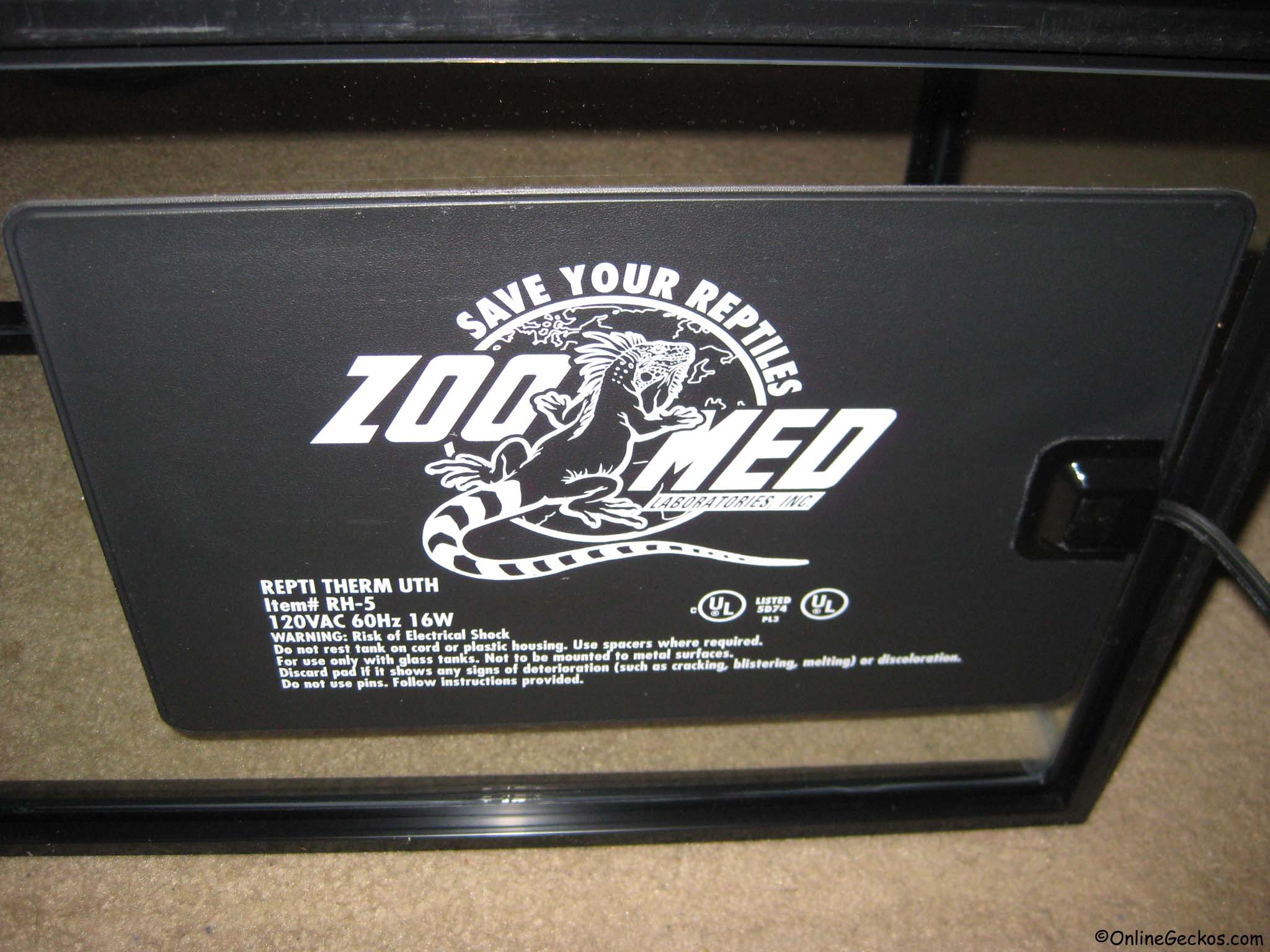
- Under-tank heater (UTH) or heat mat covering 1/3–½ of the tank floor on the hot side
- Digital thermostat is NON-NEGOTIABLE (set to 90°F surface temp)
- Avoid overhead heat lamps unless you have a tall enclosure — they can burn your gecko
Use digital thermometers with probes on both hot and cool sides (not just the cheap stick-ons).

Step 4: Lighting and Day/Night Cycle
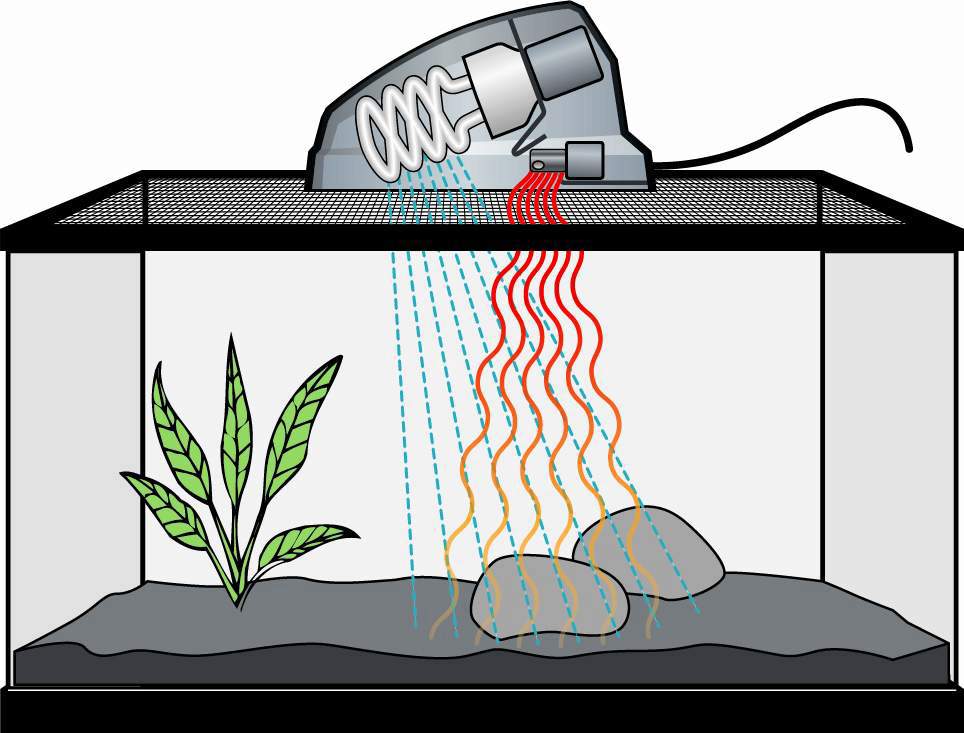
Leopard geckos do not require UVB lighting (though low-level UVB can be beneficial for some individuals). Focus on a natural photoperiod:
- 12–14 hours of light per day
- Use a low-wattage LED or room light on a timer
- No bright lights at night — use a red or blue moon lamp only if needed for viewing
A proper day/night cycle prevents stress and helps regulate feeding and activity.
How to Create a Proper Day & Night Cycle in Your Terrarium
Step 5: Humidity and the Essential Moist Hide
- Ambient humidity: 30–40%
- During shedding: Provide a moist hide with damp (not wet) sphagnum moss
The moist/humid hide is critical for proper shedding — without it, geckos often get stuck sheds on toes or tail tips.

Humid Hide for Leopard Gecko – How To Make a Humid Hide! – YouTube
Step 6: Hides, Decor & Enrichment
Every leopard gecko enclosure needs at least three hides:
- Hot hide (on the warm side)
- Cool hide (on the cool side)
- Moist/humid hide (middle or warm side)
Add:
- Fake plants and vines for cover
- Cork bark rounds or logs
- Flat rocks or slate for basking
- Branches or driftwood for climbing
More clutter = happier, more confident gecko!
My Leopard Gecko Enclosure Tour! Basil’s Setup & Humid Hide Guide
Step 7: Water, Feeding Dishes & Maintenance
- Shallow water dish (changed daily)
- Shallow calcium dish (pure calcium powder, no D3)
- Spot clean daily, full clean every 1–3 months depending on substrate
Quick Setup Checklist
- Correct size enclosure
- Under-tank heater + thermostat
- Digital thermometers/hygrometer
- 3 hides (including moist hide)
- Safe substrate
- Water dish + calcium dish
- Timer for lights
- Decor for enrichment
Common Leopard Gecko Enclosure Mistakes to Avoid
- Using sand with babies
- No thermostat (burns or cold spots)
- Only one hide
- No temperature gradient
- Overcrowding or cohabiting males
Final Thoughts
A properly set up leopard gecko enclosure is more than just a tank — it’s a miniature ecosystem that lets your gecko express natural behaviors. Take your time, invest in quality equipment, and your leopard gecko will reward you with personality and longevity.