

What Do Geckos Eat? The Ultimate Guide to Gecko Diets for Happy, Healthy Pets. Are you a new gecko owner wondering what geckos eat? Or maybe you’re trying to optimize your leopard gecko’s or crested gecko’s feeding routine? Getting their diet right is one of the most important parts of gecko care. A proper gecko diet supports strong bones, vibrant colors, energy, and a long lifespan (many live 10–20+ years!).
In this complete guide, we’ll cover everything: what different gecko species eat in the wild vs. captivity, the best feeder insects and commercial foods, feeding schedules, supplements, foods to avoid, and pro tips to prevent common mistakes. Whether you have a leopard gecko, crested gecko, tokay, or another popular species, you’ll walk away with a clear, actionable feeding plan.


Understanding Gecko Diets: Insectivores vs. Omnivores
Most geckos are insectivores — they thrive on live insects in the wild. They hunt crickets, roaches, moths, and spiders at night. A few species (like crested and day geckos) are frugivorous/omnivorous and also eat soft fruits, nectar, and pollen.
- Strict insectivores (leopard geckos, African fat-tailed geckos, house geckos, tokay geckos): Live insects only. Never fruits or vegetables — their digestive systems can’t handle plant matter.
- Omnivores/frugivores (crested geckos, gargoyle geckos, day geckos): 40–60% insects + fruit-based diets or commercial powdered mixes.
Variety is key. Feeding the same insect every time leads to nutritional gaps. Always gut-load insects (feed them nutritious veggies 24 hours before offering) and dust with supplements.
What Do Leopard Geckos Eat?
Leopard geckos are the most popular pet gecko and are 100% insectivorous. They refuse fruits and veggies.
Best feeder insects for leopard geckos:
- Crickets (black or brown) — staple, high protein
- Dubia roaches — excellent nutrition, quiet, and easy to breed
- Mealworms (in moderation — high fat)
- Superworms, waxworms, calciworms, silkworms, and hornworms (occasional treats)
Offer insects no larger than the space between your gecko’s eyes to prevent choking. Remove uneaten insects after 15–20 minutes.
:strip_icc()/GettyImages-904215104-a4adafbc911549a4b5d5f01f97070490.jpg)
What Do Geckos Eat?
Pro tip: Leopard geckos love hunting! Use tongs or let insects roam for enrichment.
What Do Crested Geckos Eat?
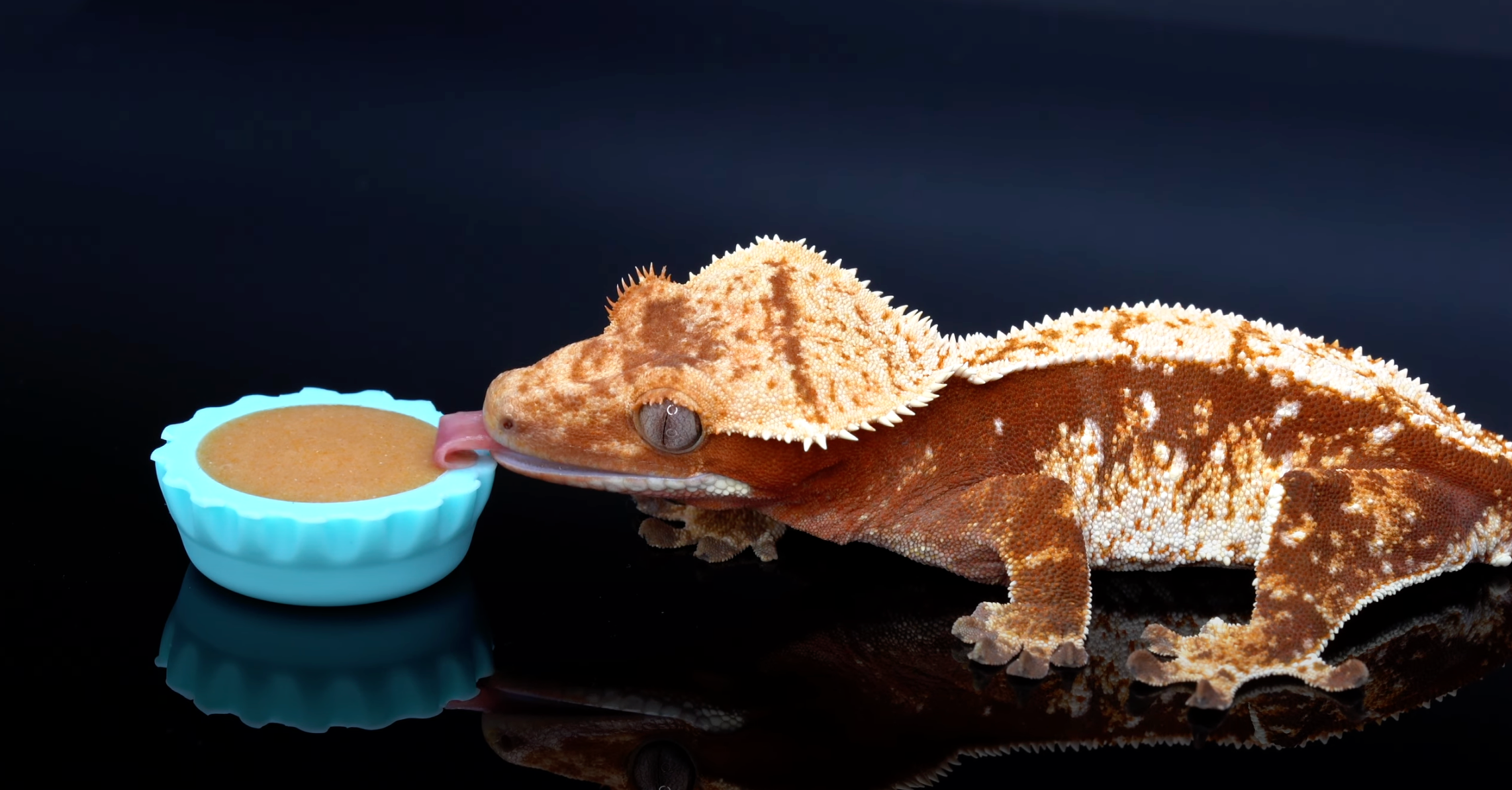
Crested geckos are omnivores. In captivity, the easiest and most balanced diet is a high-quality commercial crested gecko diet (like Pangea, Repashy, or Zen Habitats mixes) mixed with water into a paste.
Crested gecko feeding breakdown:
- 50–70% commercial fruit-based diet (pear, mango, banana, papaya flavors)
- 30–50% live insects (crickets, dubia roaches, flightless fruit flies)
They also enjoy occasional real fruit treats like mashed banana, papaya, or strawberries (no citrus or avocado).

Diets for Other Popular Gecko Species
| Species | Primary Diet | Occasional Treats | Notes |
|---|---|---|---|
| Tokay Gecko | Live insects (large crickets, roaches) | Pinky mice (rarely) | Aggressive hunters |
| House Gecko | Small insects & fruit flies | Nectar/fruit puree | Often eats from walls |
| Day Gecko | Insects + fruit/nectar | Commercial day gecko diets | Bright colors need variety |
| African Fat-Tailed | Live insects only | None | Similar to leopards |
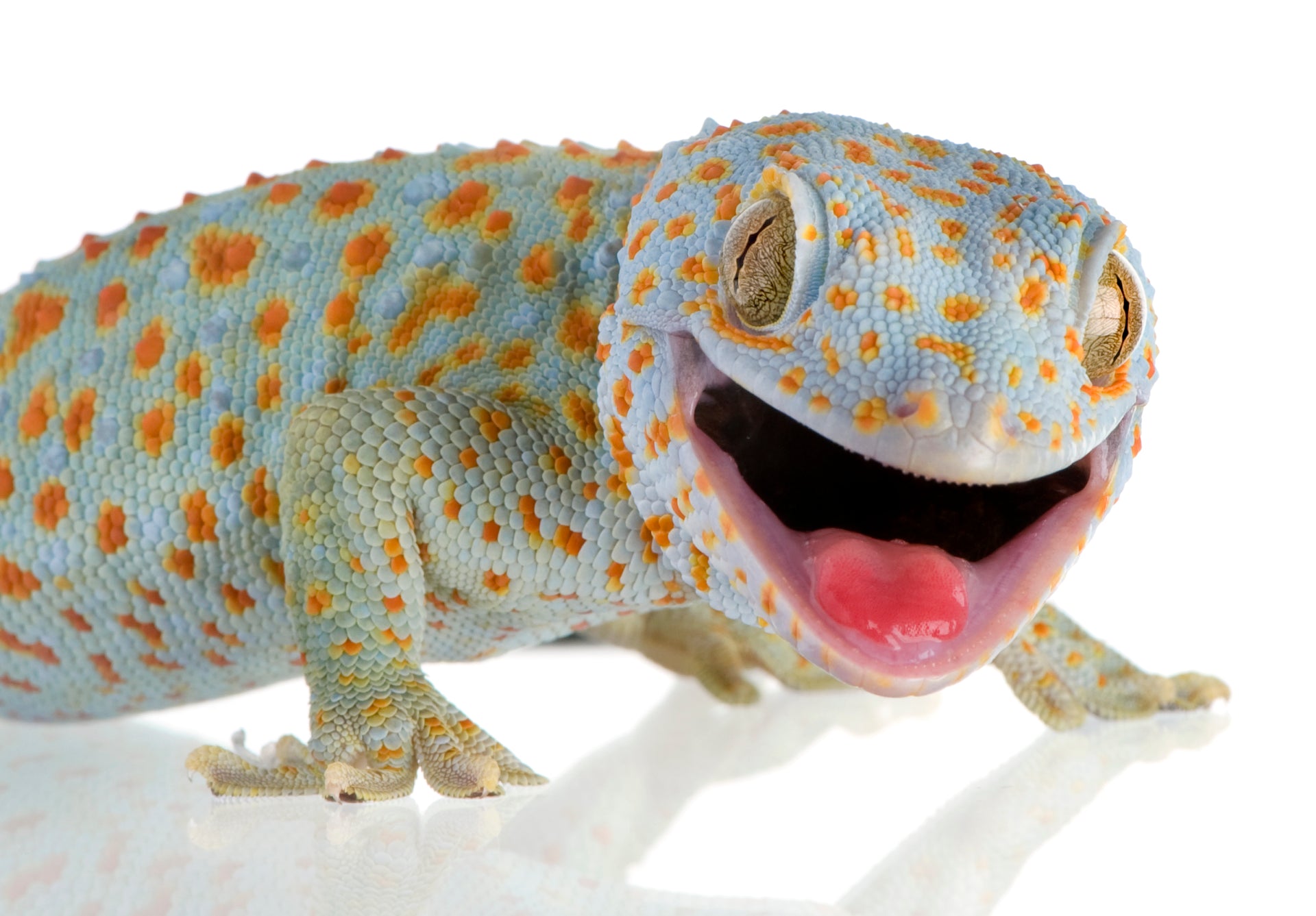
What Can My Tokay Gecko Eat?
Must-Have Supplements for Every Gecko
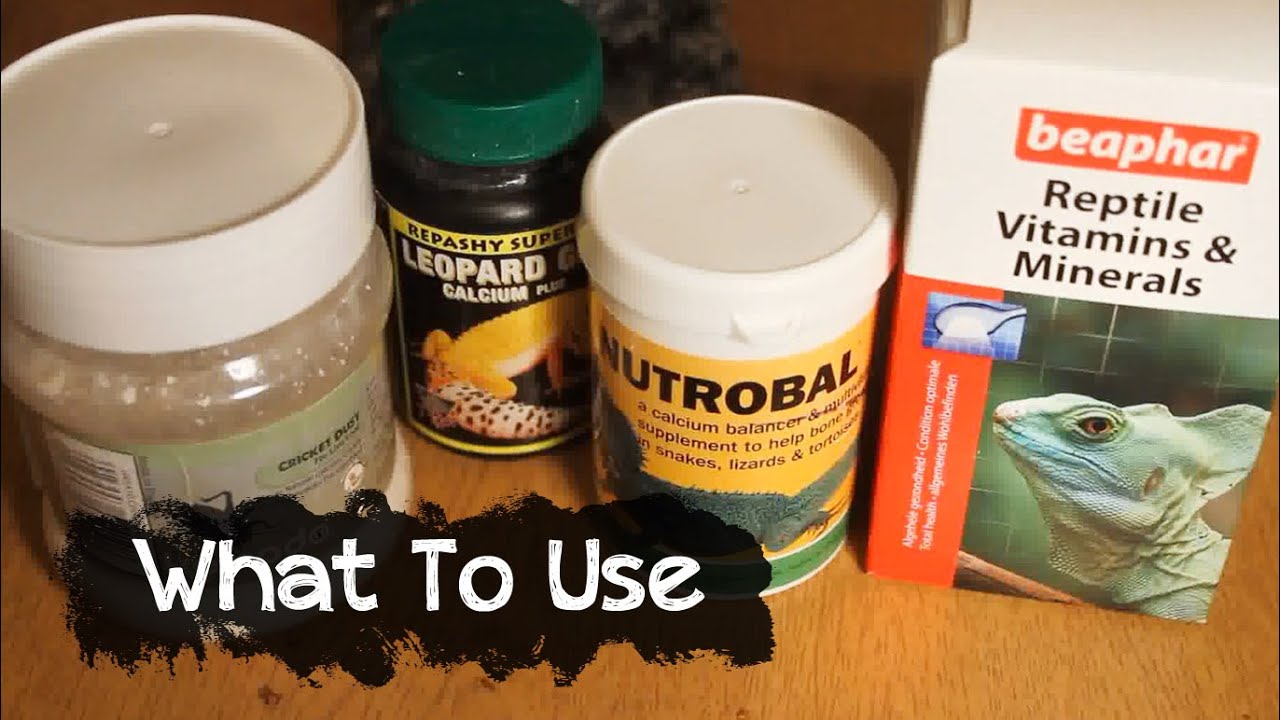
Insects alone lack calcium and vitamins. Always dust feeders:
- Calcium powder (without D3 for daily use; with D3 1–2x/week)
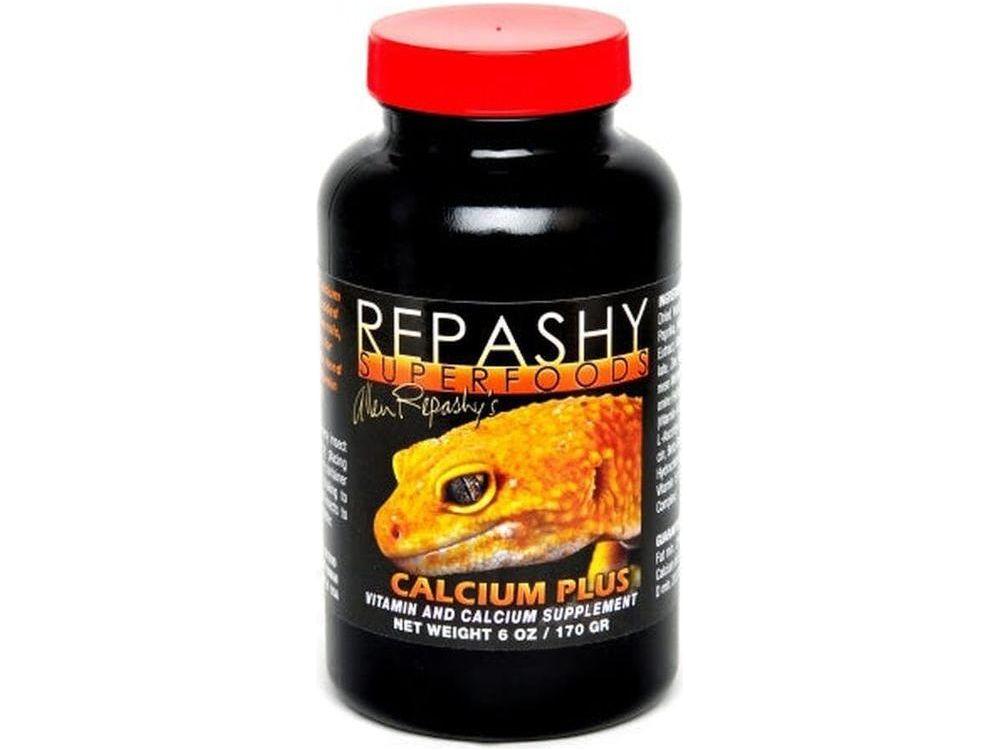
- Multivitamin powder (Repashy Calcium Plus or similar)
- Gut-load insects with carrots, squash, and dark greens
Feeder insects variety (highly recommended for balanced nutrition):
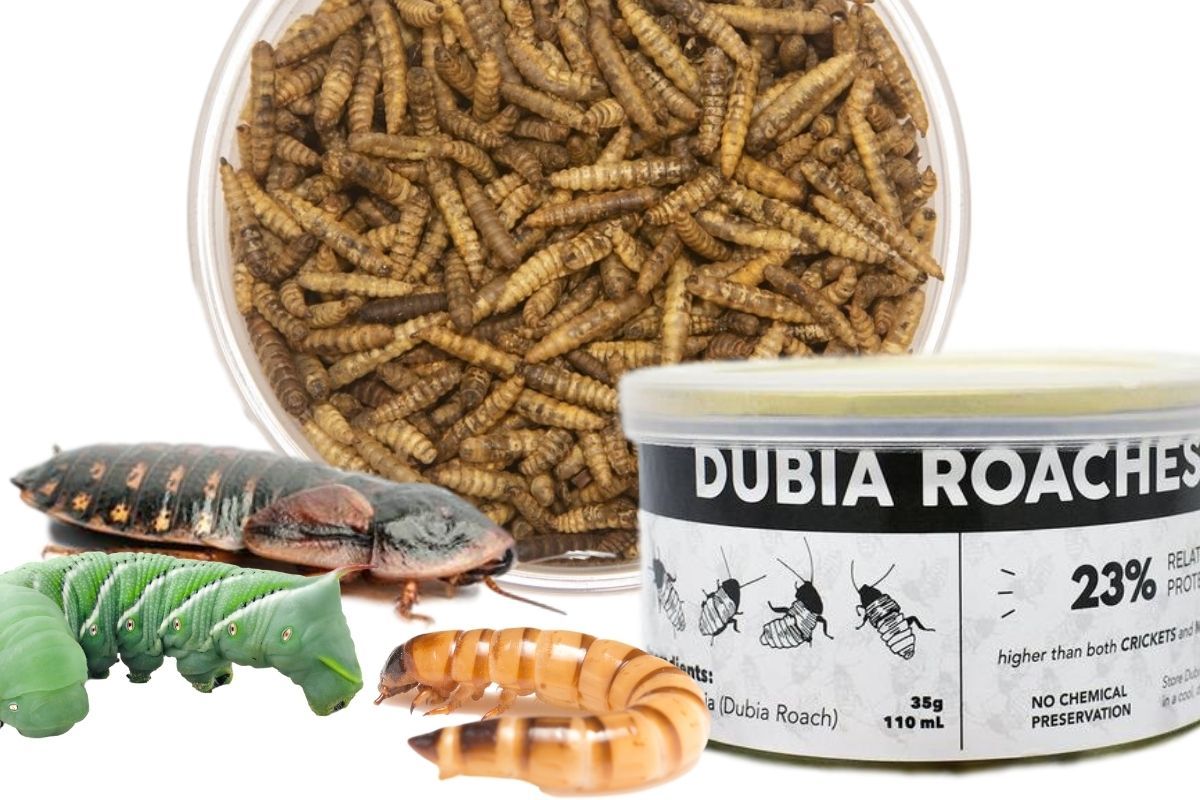
Pros & Cons: Dried Insects vs Canned Insects vs Live Insects – Dubia.com
Feeding Schedule & Portion Guide
- Hatchlings/juveniles: Daily, 2–3 small insects per inch of body length
- Adults: Every 2–3 days (leopards) or every other day (cresteds)
- Feed at night when geckos are active
- Never leave live insects in the enclosure overnight
How much to feed? Offer as many insects as your gecko can eat in 10–15 minutes.
Foods to Avoid & Common Mistakes
- Never feed: Wild-caught insects (pesticides), lightning bugs (toxic), citrus, avocado, or iceberg lettuce
- Avoid overfeeding fatty worms (obesity risk)
- Don’t use dried or canned insects as the sole diet — live is best for hunting behavior
- Skip pinky mice unless your gecko is very large and underweight
Common mistake: Skipping supplements → Metabolic Bone Disease (shaky limbs, soft jaw).
Final Tips for a Thriving Gecko
- Rotate feeder insects weekly
- Keep a feeding log
- Monitor weight and tail thickness (a thick tail = healthy fat stores)
- Quarantine new feeders to prevent parasites
A well-fed gecko is an active, colorful, and long-lived pet. Proper nutrition is the foundation of excellent gecko care!