

How Long Do Leopard Geckos Live? The Complete Guide to Leopard Gecko Lifespan, Care, and Longevity. Leopard geckos (Eublepharis macularius) are one of the most popular pet reptiles for good reason — they’re hardy, docile, and full of personality. But if you’re thinking about getting one (or already have a leopard gecko), one of the biggest questions is: How long do leopard geckos live?
In this guide, we’ll break down everything you need to know about leopard gecko lifespan, from average life expectancy in the wild versus captivity to the key factors that can add years to your pet’s life. Whether you’re a beginner or an experienced keeper, proper care is the secret to helping your leopard gecko thrive for decades.
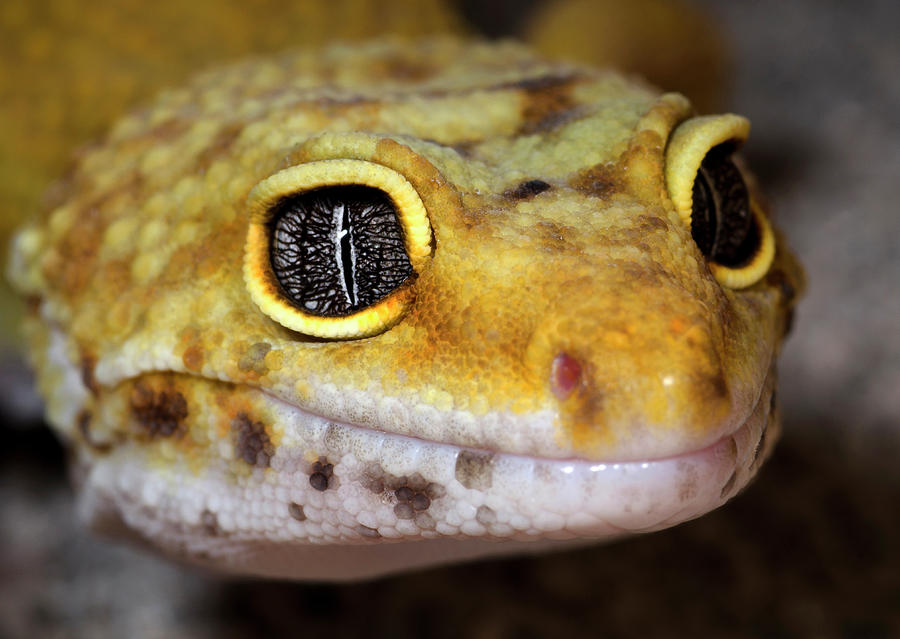
Leopard Gecko Close-up Full Face by Nigel Downer / Science Photo Library
Leopard Gecko Lifespan: Wild vs. Captivity
Leopard geckos have dramatically different lifespans depending on their environment:
- In the wild: Leopard geckos typically live 6–8 years (with some studies citing an average of around 4.9 years). Harsh desert conditions, predators, parasites, food scarcity, and disease take a heavy toll.
- In captivity: With excellent care, leopard geckos commonly live 10–20 years. Many healthy individuals reach 20–25 years, and exceptional cases have been documented living into their late 20s, 30s, and even over 40 years in rare, well-documented instances.
Males often outlive females because they don’t face the physical stress of repeated egg production. The oldest verified leopard geckos have lived well beyond 30 years when given optimal husbandry.

Baby To Adult Leopard Gecko Transformation | MAUI UPDATE – YouTube
Bottom line: A leopard gecko is a long-term commitment — longer than many dogs or cats! They’re not “starter pets” that you replace every couple of years.
What Factors Affect How Long Leopard Geckos Live?
Several key elements determine your gecko’s lifespan. Poor husbandry is the #1 reason most captive leopard geckos don’t reach their full potential.
- Diet and Nutrition Leopard geckos are strict insectivores. A varied diet of gut-loaded crickets, dubia roaches, mealworms, and superworms (dusted with calcium and multivitamins) prevents metabolic bone disease (MBD) and obesity — two major lifespan killers.
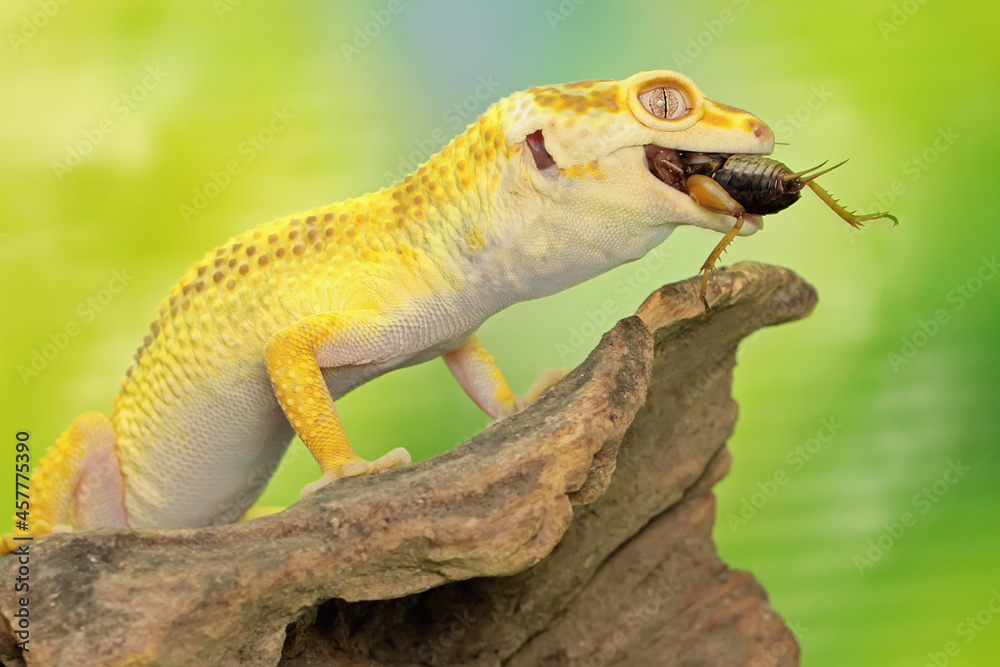
How many crickets should a leopard gecko eat? – Gecko Time
- Enclosure Setup and Environment
- Minimum 20-gallon tank for adults (larger is better).
- Temperature gradient: Warm side 88–92°F (basking area), cool side 75–80°F.
- Humidity: 30–40% overall, with a moist hide for shedding.
- Proper substrate (avoid loose sand to prevent impaction), multiple hides, and enrichment.
- UVB lighting is now recommended by many experts for better calcium absorption and overall health.
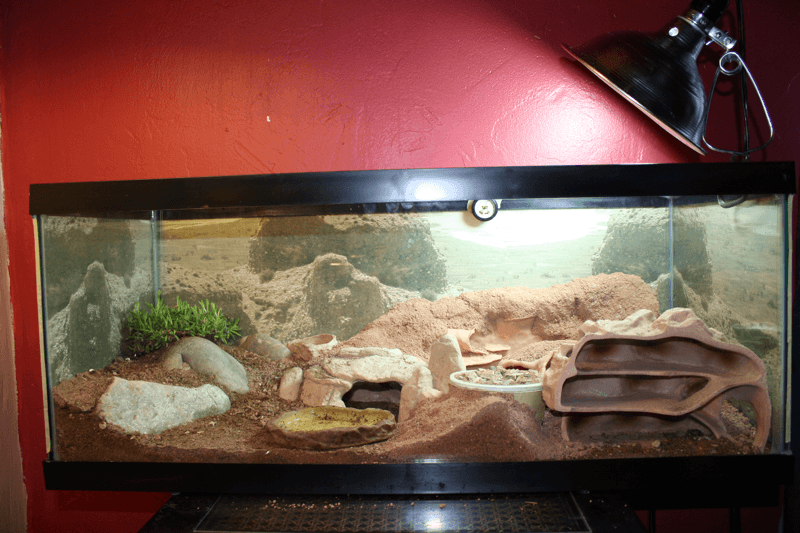
Replicating Native Gecko Habitats – Gecko Time
- Genetics and Morph Some color morphs (like enigma) can have neurological issues that shorten lifespan. Always buy from reputable breeders.
- Stress, Handling, and Veterinary Care Over-handling young geckos or keeping them in stressful conditions weakens their immune system. Regular fecal checks and exotic vet visits catch issues early.
- Shedding and Hydration Incomplete sheds (dysecdysis) can lead to infections and toe loss if humidity isn’t managed properly.
How to Help Your Leopard Gecko Live 20+ Years: Proven Care Tips
Want your gecko to join the “long-lived club”? Follow these best practices:
- Feed appropriately sized insects 2–3 times per week (adults) and dust properly.
- Provide a thermal gradient and monitor with digital thermometers (not just gauges).
- Offer a humid hide and shallow water dish.
- Handle gently and infrequently until your gecko is comfortable.
- Quarantine new geckos and monitor for signs of illness (lethargy, weight loss, abnormal stool).
- Consider a high-quality calcium supplement without D3 on most feeds and a multivitamin weekly.
Pro tip: Many keepers who follow advanced care (loose substrate, bioactive elements, UVB) report their geckos living well into their 20s and beyond.

How Many Crickets to Feed My Gecko Each Day? – Expressbug.com
Signs Your Leopard Gecko Is Aging or Needs Help
As leopard geckos enter their senior years (15+), you may notice:
- Slower movement and reduced appetite
- Thinner tail or weight loss
- Cloudier eyes or slower shedding
- Less activity at dusk/dawn
Regular weight checks and photos help you track changes. If anything seems off, consult a reptile veterinarian immediately — early intervention can add years.