

What Do Leopard Geckos Eat? Complete 2026 Guide to Leopard Gecko Diet & Feeding. Leopard geckos are one of the most popular pet reptiles for good reason—they’re hardy, friendly, and fascinating to watch. But one of the most common questions new owners ask is: What do leopard geckos eat?
The answer is simple yet critical for your gecko’s health: leopard geckos are strict insectivores. They eat only live insects in the wild and in captivity. No fruits, vegetables, or commercial pellets—just properly chosen, gut-loaded, and supplemented live bugs.

Getting the diet right prevents common issues like metabolic bone disease, obesity, and impaction. In this complete guide, you’ll learn exactly what leopard geckos eat, the best feeder insects, feeding schedules, supplements, what to avoid, and pro tips to keep your gecko thriving for 15–20+ years.
Why Leopard Geckos Are Insectivores (And What That Means for You)
In their native habitats of Pakistan, Afghanistan, and India, leopard geckos hunt a wide variety of insects, spiders, and small invertebrates at night. They have no interest in plant matter—their digestive system is built for high-protein, chitin-rich prey.
Key takeaway for owners: Your leopard gecko’s entire diet must come from live insects. Offering anything else can cause serious digestive problems or malnutrition.
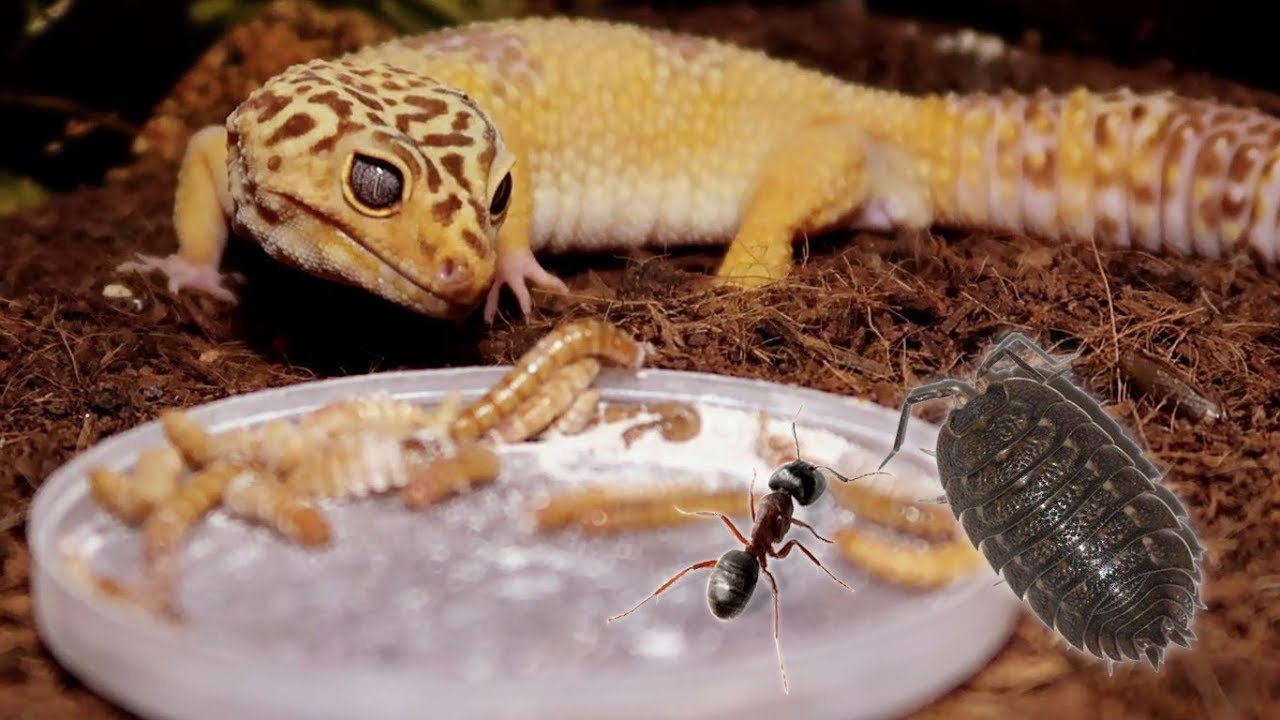
FEEDING TIME FOR GECKOS & INVERTS!
Best Foods for Leopard Geckos: Staple Insects + Occasional Treats
Variety is essential. Feeding the same insect every day leads to nutritional imbalances. Rotate between 3–5 different feeder insects for a balanced diet.
Staple Insects (Feed Regularly)
These should make up 70–80% of your gecko’s diet:
- Dubia Roaches – High in protein, low in fat, easy to digest, and rarely escape. Nymphs are perfect for juveniles.
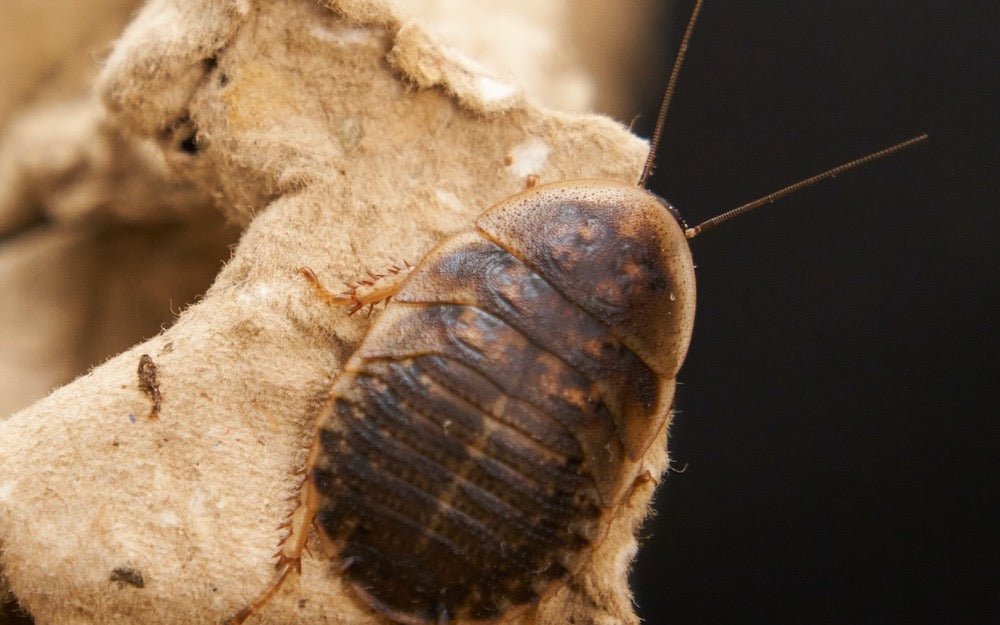
Can Leopard Geckos Eat Dubia Roaches? – Dragon’s Diet
- Crickets (black or brown) – Affordable staple, great movement to stimulate hunting. Buy from reputable breeders to avoid parasites.
- Mealworms – Convenient and nutritious in moderation. Feed as adults or “giant” size for variety.
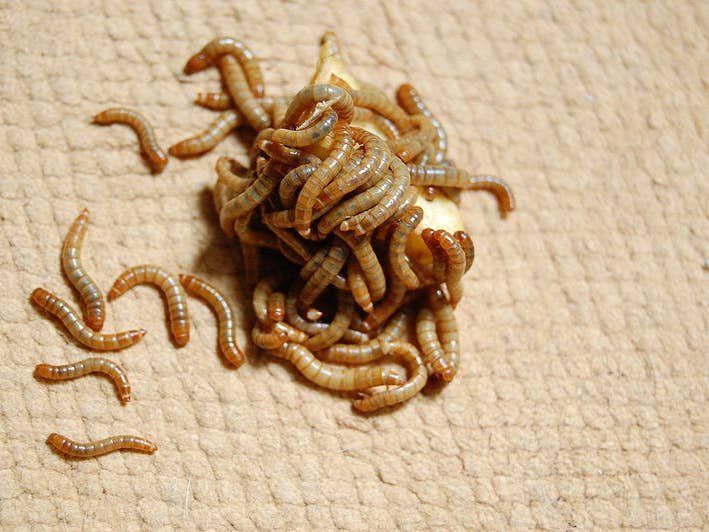
Can I Feed My Leopard Gecko Exclusively on Mealworms? – PetHelpful
- Black Soldier Fly Larvae (BSFL / Calciworms) – Naturally high in calcium—excellent staple option.
- Silkworms – Soft-bodied, highly nutritious, and a favorite for picky eaters.
Treat Insects (Feed Sparingly – 1–2x per Month)
- Waxworms – Fatty and irresistible, but use only as treats to prevent obesity.
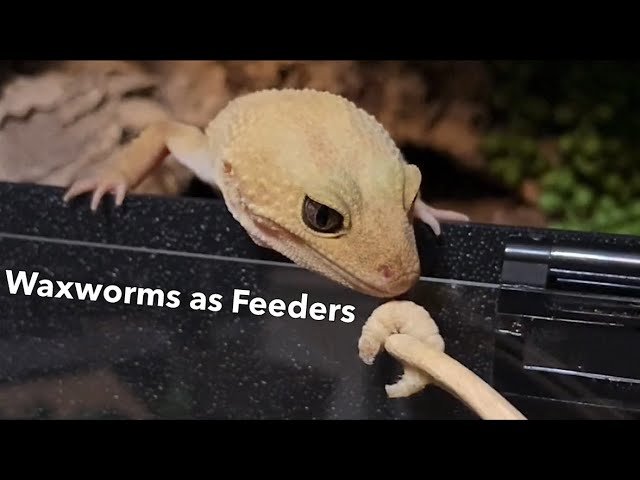
Waxworm Feeding Session | Leopard Gecko – YouTube
- Superworms – Larger and more nutritious than mealworms, but can bite if not handled carefully.
- Hornworms – Hydrating and soft-bodied (captive-bred only—wild ones are toxic).
Pro tip: Always buy feeder insects from trusted suppliers. Never feed wild-caught bugs—they can carry parasites or pesticides.
Essential Supplements: Calcium, Vitamins & Gut-Loading
Insects alone aren’t enough. Wild insects get nutrients from their own diet, so you must replicate that in captivity.
Must-Have Supplements
- Calcium powder (phosphorus-free, with or without D3) – Dust insects lightly at every feeding. Prevents metabolic bone disease.
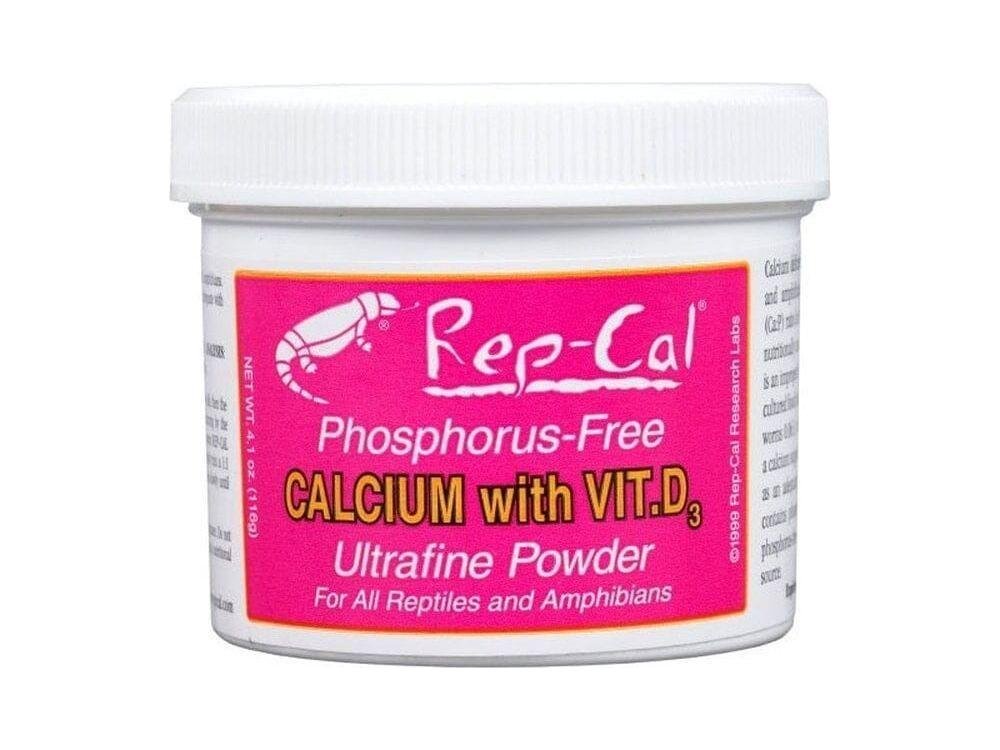
Rep Cal Calcium with Vitamin D3 Ultrafine Powder – 3.3 oz
- Multivitamin powder – Use 1–2 times per week (rotate with calcium-only days).
Gut-loading (the secret to a healthy diet): Feed your insects a nutritious diet (fresh veggies + commercial gut-load formula) for 24–48 hours before offering them to your gecko. This boosts their nutritional value dramatically.
How to dust: Place insects in a bag or cup, add a small pinch of powder, and shake gently. Offer immediately.
Leopard Gecko Feeding Schedule by Age
| Age Group | Feeding Frequency | Amount per Feeding |
|---|---|---|
| Hatchlings/Juveniles (<6 months) | Daily | 2 insects per inch of body length |
| Sub-adults (6–12 months) | Every other day | 2 insects per inch of body length |
| Adults (>12 months) | 2–3 times per week | Until full (usually 6–10 insects) |
Rule of thumb: Offer as many appropriately sized insects as your gecko can eat in 15 minutes. Remove any leftovers to prevent bites or stress.
How to Feed Your Leopard Gecko the Right Way
- Use tweezers or tongs to offer insects one at a time—this stimulates natural hunting behavior.
- Feed in the evening when your gecko is most active.
- Provide a shallow dish of fresh water daily (they rarely drink but will lick droplets).
- For picky eaters: Try wiggling the insect or hand-feeding.
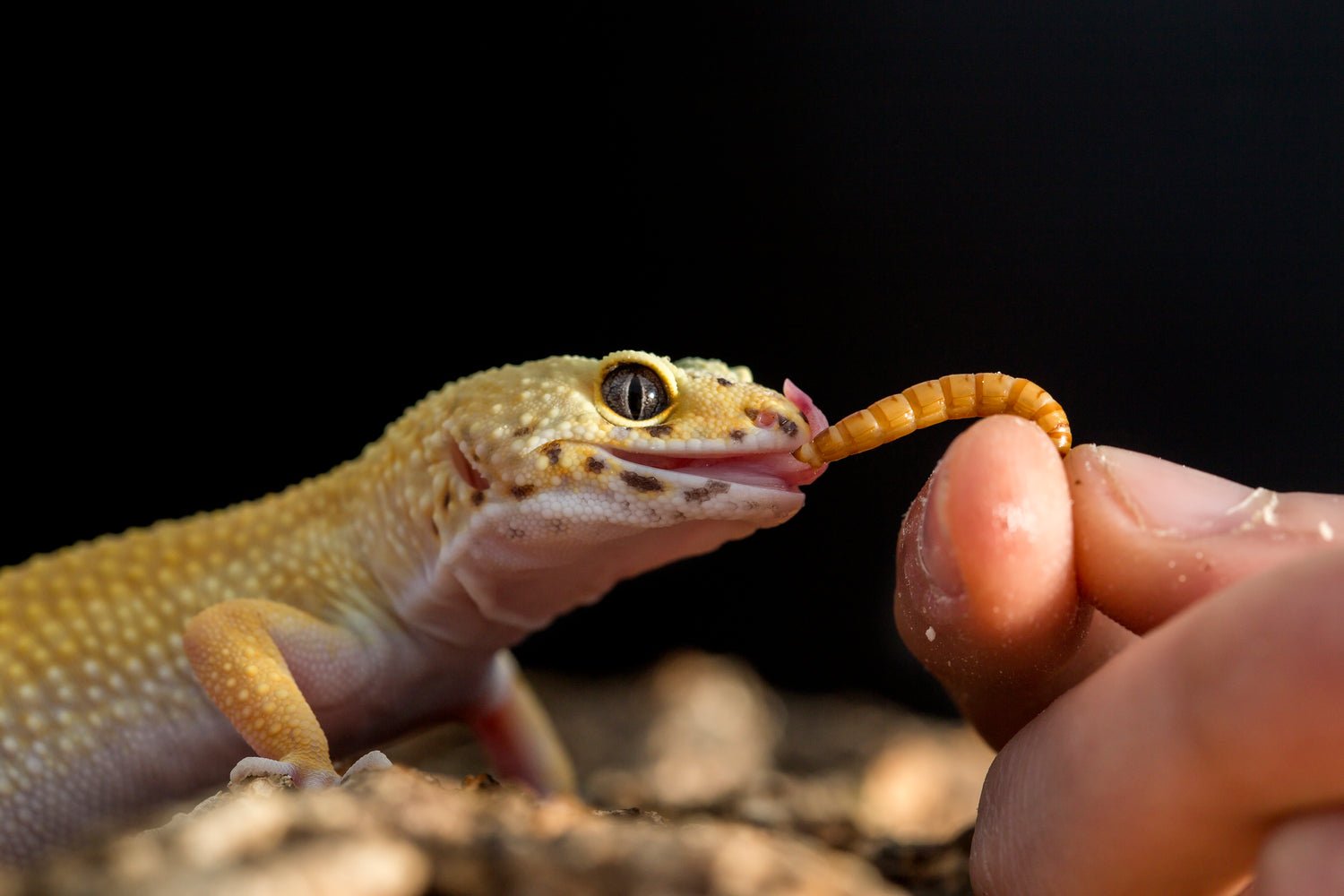
Leopard Gecko Diet (The Best Insects For Your Leopard Gecko)
Foods to NEVER Feed Leopard Geckos
- Fruits or vegetables (indigestible)
- Wild-caught insects
- Fireflies or lightning bugs (toxic)
- Large prey that could cause choking
- Processed meats or pet food
Avoid over-reliance on any single insect (especially mealworms or waxworms) to prevent nutritional deficiencies or impaction.