

What Can Leopard Geckos Eat? Your Complete 2026 Leopard Gecko Diet & Feeding Guide. Leopard geckos are one of the most popular pet reptiles, and for good reason—they’re hardy, fascinating, and relatively easy to care for. But what can leopard geckos eat to stay healthy and thrive? As strict insectivores, leopard geckos eat only live insects. They don’t touch fruits, vegetables, plants, or any human food.
A proper leopard gecko diet prevents common health issues like metabolic bone disease (MBD), obesity, and impaction while keeping your gecko active and vibrant. This comprehensive guide covers everything you need to know about leopard gecko food, safe feeder insects, supplements, feeding schedules, and more—updated for 2026 best practices.
Whether you’re a new owner or an experienced keeper, you’ll find practical tips, a safe foods list, and what to avoid. Let’s dive in!
Why Leopard Geckos Are Strict Insectivores
Leopard geckos (Eublepharis macularius) evolved in arid environments where their diet consists almost entirely of live insects. Their digestive systems are built for high-protein, insect-based meals—no veggies, fruits, or meat. Feeding anything else can cause serious digestive problems or even be fatal.
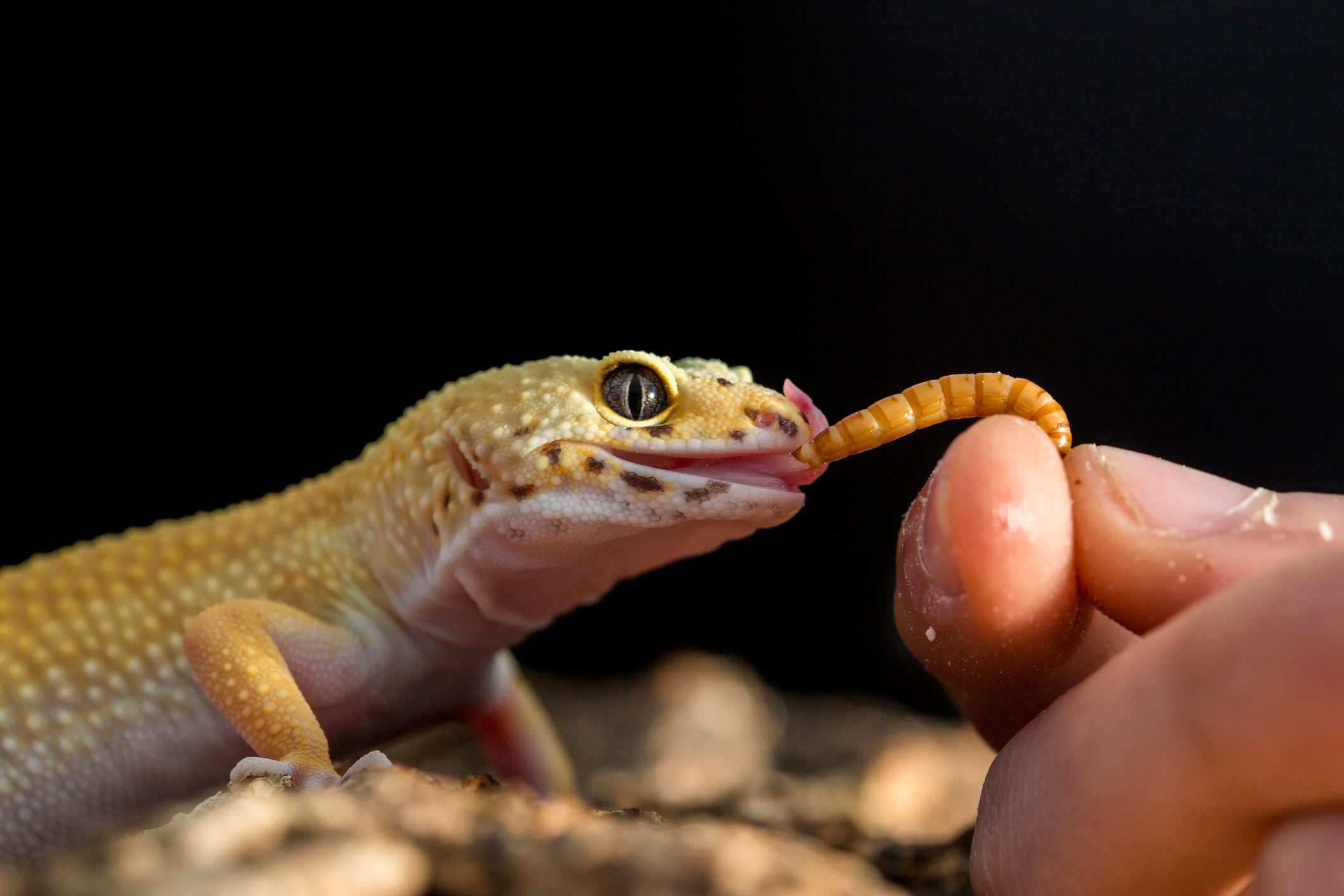
Key rule: Only offer live, captive-bred feeder insects no larger than the space between your gecko’s eyes. Movement triggers their hunting instinct, so dead or dried insects aren’t ideal as a staple.

Leopard Gecko Eating LIVE Bugs! – YouTube
Safe Foods for Leopard Geckos: Best Feeder Insects
Here’s a clear breakdown of what leopard geckos can eat. Rotate 3–4 different insects for balanced nutrition and to prevent boredom.
Staple Feeders (Feed Regularly)
- Dubia roaches — Nutritious, quiet, easy to breed or buy. Excellent protein-to-fat ratio.
- Crickets (black or banded) — Classic choice; great for hunting enrichment.
- Black soldier fly larvae (phoenix worms / calciworms) — High in calcium naturally.
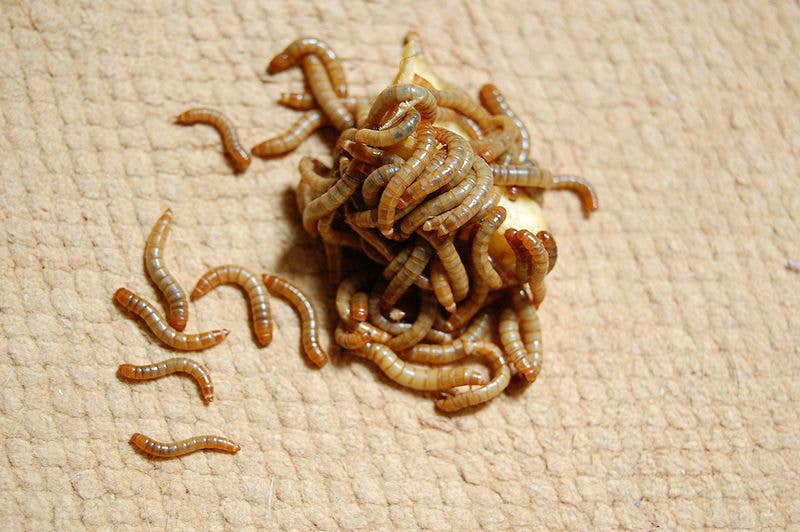
- Mealworms — Affordable staple, but limit to avoid high fat.
Occasional Feeders (2–3 times per week)
- Silkworms
- Discoid roaches
- Hornworms (captive-bred only—wild ones are toxic)
Treats (Once or twice a month)
- Superworms (for larger adults)
- Waxworms or butterworms — High-fat “dessert” items; use sparingly to prevent obesity.
Pro tip: Variety is key! A diet of only mealworms leads to nutritional imbalances.


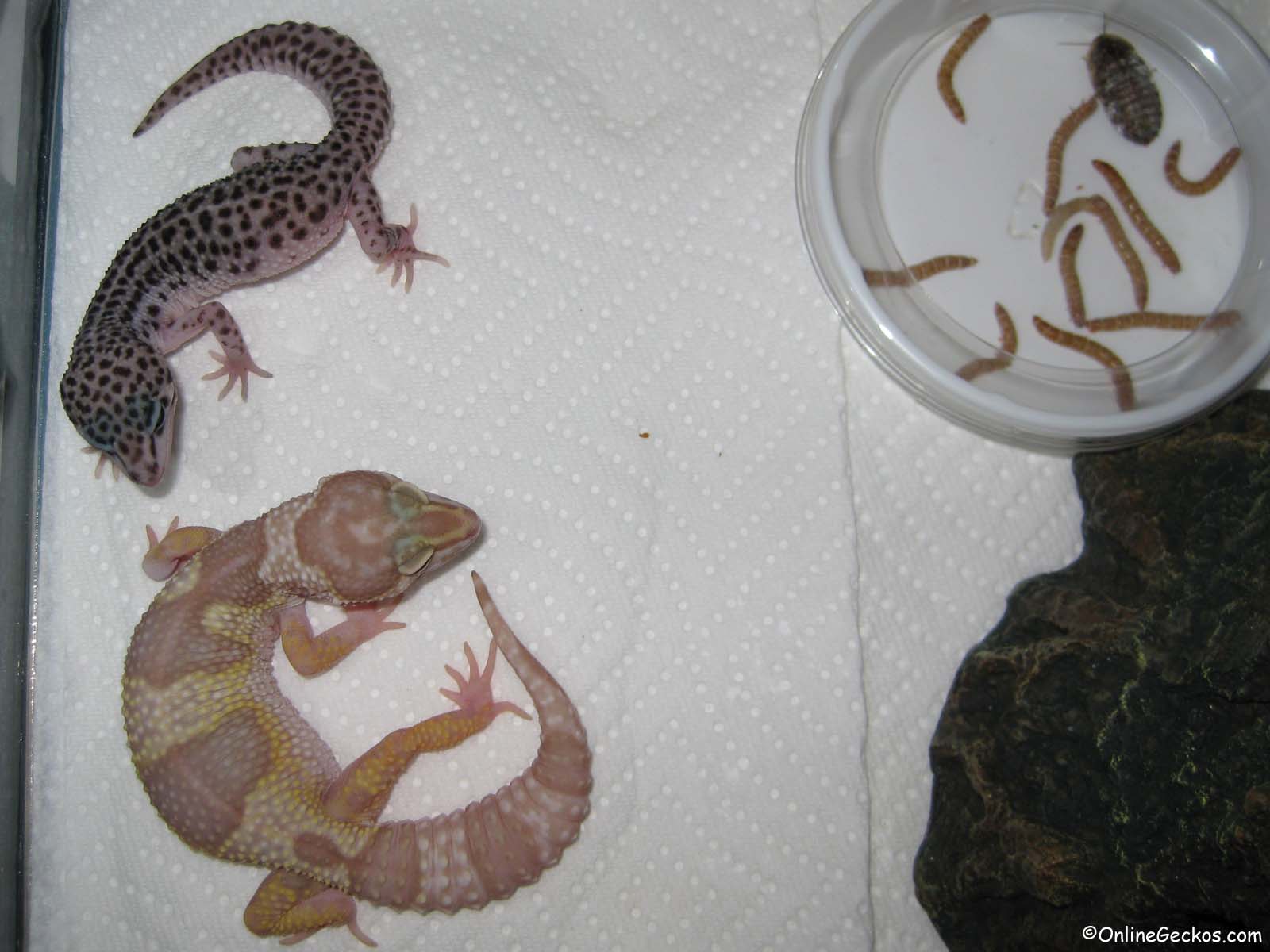
Dubia roaches and mealworms are two of the most popular and nutritious options.
Foods Leopard Geckos Should NEVER Eat
Avoid these completely to keep your gecko safe:
- Wild-caught insects — Risk of pesticides, parasites, and disease.
- Fireflies / lightning bugs — Extremely toxic due to lucibufagins.
- Fruits, vegetables, or plants — Leopard geckos cannot digest them.
- Meat, fish, or human food — Causes impaction and organ strain.
- Anything larger than their head — Choking or injury risk.
- Dead or dried insects as a staple — Lacks stimulation and nutrition.
Gut-Loading and Supplements: The Secret to a Healthy Diet
Insects alone aren’t enough—gut-loading and dusting make the difference between a thriving gecko and one with health issues.
Gut-Loading (24–48 Hours Before Feeding)
Feed your insects nutrient-rich foods (dark leafy greens, carrots, squash, commercial gut-load diets) so the bugs pass those vitamins to your gecko.
Dusting Schedule
- Calcium powder (with or without D3, depending on your UVB setup): Dust insects 2–3 times per week for adults, daily for juveniles.
- Multivitamin powder (with pre-formed vitamin A): Once every 7–14 days.
- Best all-in-one option: Repashy Calcium+ or similar.
No UVB? Use calcium with D3 more frequently. Always follow vet advice.
Leopard Gecko Feeding Schedule by Age & Size
Use this simple guideline: Offer 2 insects per inch of your gecko’s length (or as much as they eat in 15 minutes).
| Age / Size | Feeding Frequency | Example Amount | Notes |
|---|---|---|---|
| Hatchlings/Juveniles (<5 inches) | Daily | 5–8 small insects | Growing fast – high calcium needs |
| Young Adults (5–8 inches) | Every other day / 3 days | 6–10 medium insects | Monitor tail fat |
| Adults (>8 inches, thick tail) | Every 3–5 days | 4–8 large insects | Prevent obesity |
Remove uneaten insects after 15–20 minutes to avoid bites or stress.
Essential Feeding Tips for Success
- Offer in a shallow dish or use tongs for easy monitoring.
- Provide fresh water daily in a shallow dish—leopard geckos lick droplets.
- Watch weight and tail: A fat tail is healthy; a skinny one means underfeeding.
- Rotate insects and always gut-load for maximum nutrition.
- Quarantine new feeders to prevent introducing pests.
- Common mistake to avoid: Overfeeding waxworms or skipping supplements (leads to MBD).
Leopard Gecko Complete Food Guide – Zen Habitats
Build a Healthy Leopard Gecko Diet Today
A well-planned leopard gecko diet of varied live insects, proper gut-loading, and supplements is the foundation of a long, healthy life (15–20+ years!). Stick to captive-bred feeders, dust regularly, and watch your gecko’s energy and body condition.