

Ultimate Guide to Types of Geckos: Popular Species, Care Tips, and Why They Make Amazing Pets. Geckos are one of the most fascinating and popular reptile pets in the world. With over 1,500 known species, these colorful, charismatic lizards come in every shape, size, and personality imaginable. Whether you’re a beginner reptile keeper, an experienced hobbyist, or just curious about these sticky-toed wonders, understanding the different types of geckos is the first step to finding the perfect one for your home.
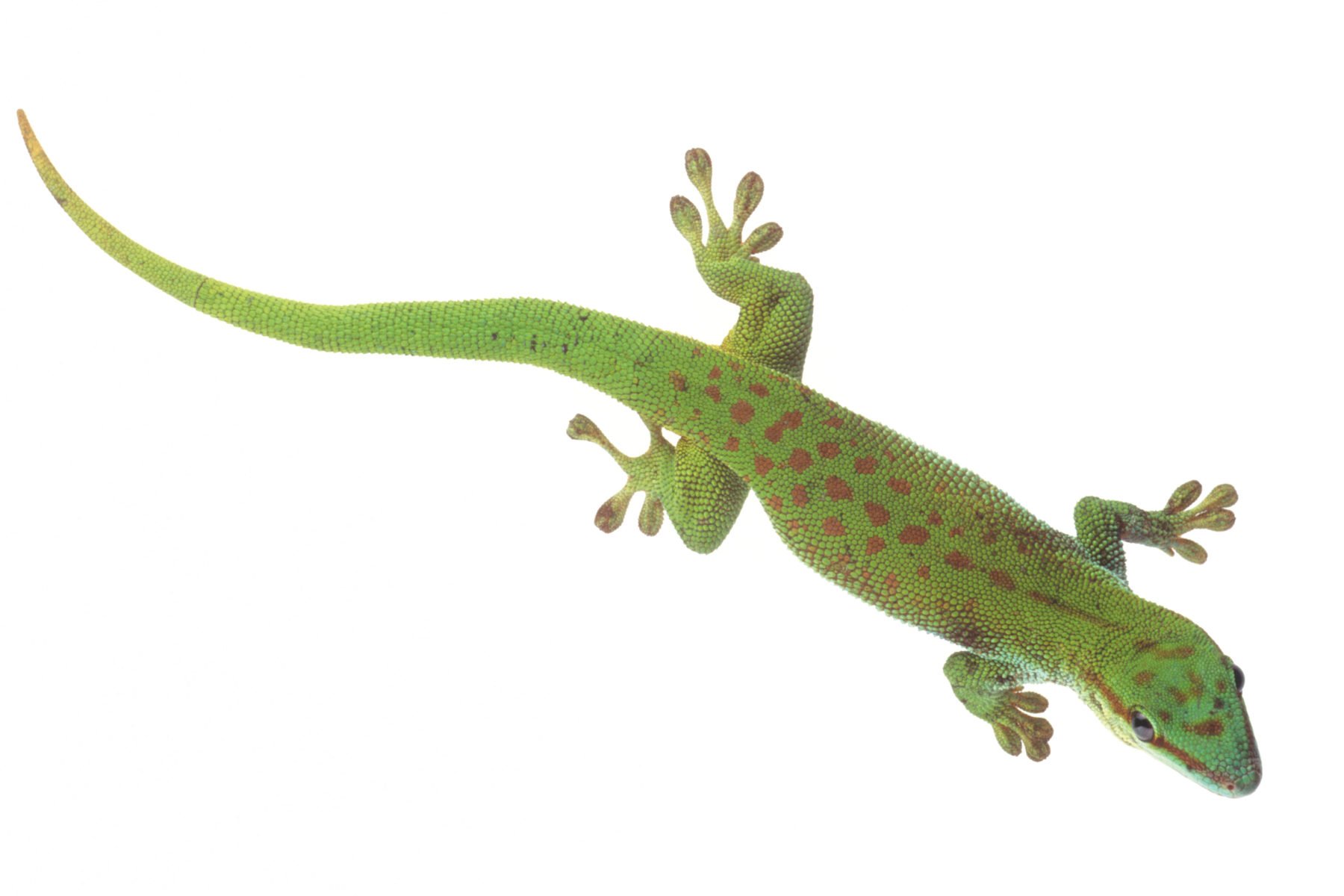
All of Hawaii’s Eight Gecko Species are Nonnative – Hawaii Business Magazine
In this comprehensive guide, we’ll explore the most popular gecko species kept as pets, their unique traits, natural habitats, care requirements, and what makes each one special. We’ll also share practical tips to help you choose the right gecko and set it up for a long, healthy life (many species live 10–20+ years!).
Quick Jump to Sections:
- Leopard Geckos
- Crested Geckos
- African Fat-Tailed Geckos
- Gargoyle Geckos
- Tokay Geckos
- Madagascar Day Geckos
- How to Choose the Right Gecko for You
Leopard Geckos (Eublepharis macularius)
The undisputed king of beginner geckos! Leopard geckos are native to the rocky deserts of Afghanistan, Pakistan, and India. They’re nocturnal, ground-dwelling, and famous for their bold leopard-like spots and calm temperament.
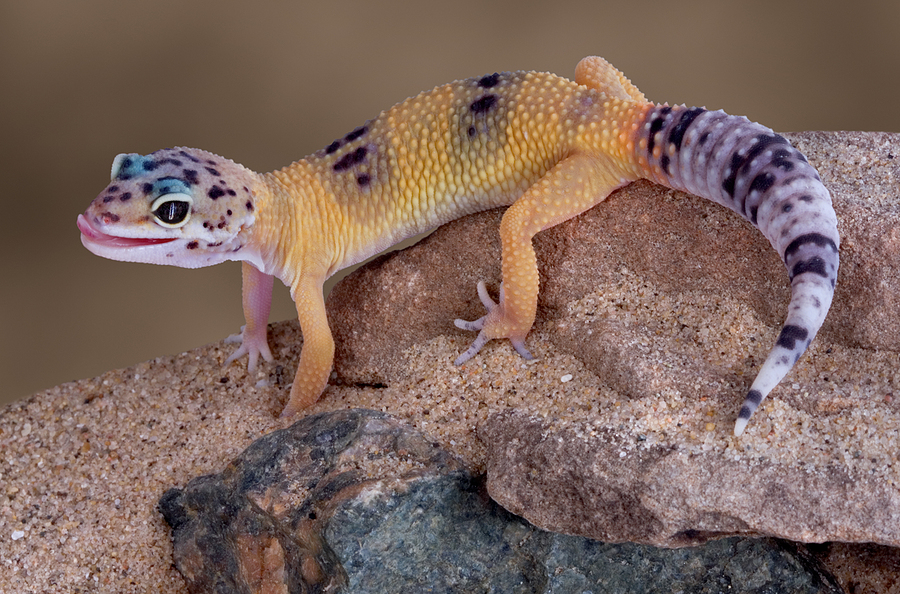
Leopard Geckos for Beginners | Fear Free Happy Homes
Key Facts:
- Size: 7–10 inches long
- Lifespan: 10–20 years (with proper care)
- Diet: Live insects (crickets, mealworms, dubia roaches) + calcium/vitamin supplements. No fruit needed.
- Unique Feature: They have eyelids (unlike most geckos) and can drop their tail if stressed (it regrows).
- Morphs: Over 100 color variations – from wild-type to fancy “carrot tail” or “albino” morphs.
Care Level: Beginner-friendly. They thrive in a simple 20-gallon tank with a warm side (88–92°F) and cool side (75–80°F). Use paper towels or reptile carpet as substrate – never sand for juveniles. Why people love them: Super handleable, low-maintenance, and great for kids or first-time owners. Potential Drawback: They need a dry environment and a proper heating setup.
Crested Geckos (Correlophus ciliatus)
Originally from the rainforests of New Caledonia, crested geckos exploded in popularity in the 1990s after being rediscovered. Their signature “crests” above the eyes and along the back make them look like tiny dragons.
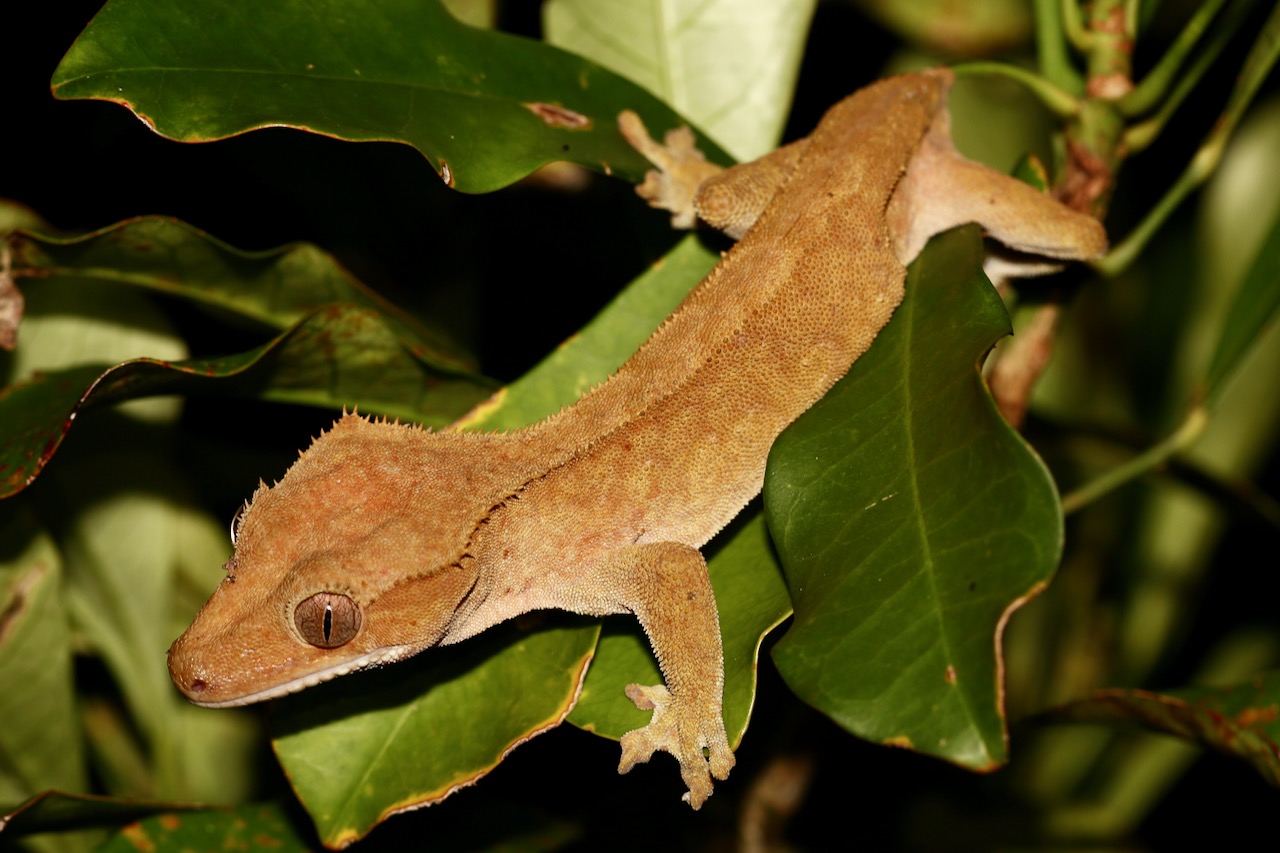
Crested gecko – Wikipedia
Key Facts:
- Size: 8–10 inches (including tail)
- Lifespan: 15–20+ years
- Diet: Commercial crested gecko diet powder (mixed with water) + occasional insects and fruit. They love variety!
- Unique Feature: Sticky toe pads for climbing glass and walls; they can jump surprisingly far.
- Behavior: Nocturnal and arboreal – they love vertical space with branches and plants.
Care Level: Beginner to intermediate. A 20-gallon tall tank with high humidity (60–80%) and temperatures of 72–78°F works perfectly. No heat lamp needed – room temperature is usually fine. Why people love them: Low odor, easy feeding, and stunning colors (including harlequin and dalmatian patterns). They rarely bite. Potential Drawback: Their tail doesn’t regrow if dropped.
African Fat-Tailed Geckos (Hemitheconyx caudicinctus)
Often called the “leopard gecko’s cousin from Africa,” these geckos have thick, fat-storing tails that look like sausages. They’re docile and make a fantastic alternative to leopards.

Adopted – Hemitheconyx caudicinctus ‘African Fat Tail Gecko’
Key Facts:
- Size: 7–9 inches
- Lifespan: 10–15 years
- Diet: Insects with supplements (very similar to leopard geckos)
- Unique Feature: Their fat tail stores energy for tough times in the wild.
- Behavior: Nocturnal and calm; they enjoy burrowing.
Care Level: Beginner. Mirror leopard gecko setups but provide slightly higher humidity (50–70%). Why people love them: Adorable “chubby” appearance and gentle personality. Great for small spaces. Potential Drawback: Less colorful than some other species.
Gargoyle Geckos (Rhacodactylus auriculatus)
Another New Caledonian beauty, gargoyle geckos look like mini gargoyles with bumpy heads and big eyes. They’re closely related to crested geckos but have a more robust build.

Gargoyle gecko – Wikipedia
Key Facts:
- Size: 8–10 inches
- Lifespan: 15–20 years
- Diet: Crested gecko powder diet + insects
- Unique Feature: Extremely strong grip and a prehistoric look.
- Behavior: Arboreal and nocturnal; they can be a bit more active at night.
Care Level: Beginner to intermediate – care is nearly identical to crested geckos. Why people love them: Unique texture and personality. Many owners say they’re more interactive than crested geckos. Potential Drawback: Can be slightly more expensive due to rarity of certain morphs.
Tokay Geckos (Gekko gecko)
If you’re ready for a challenge, the Tokay is one of the largest and most striking geckos. Native to Southeast Asia, they’re famous for their loud “tokay-tokay” mating call that can be heard from across the room.
:strip_icc()/GettyImages-1446731326-4431f4f2f9994790a07f950ba2ff6039.jpg)
Tokay Gecko: Species Information
Key Facts:
- Size: 10–14 inches
- Lifespan: 10–15 years
- Diet: Large insects, occasional small rodents or fruit
- Unique Feature: Vibrant blue-gray with bright orange spots; powerful jaws.
- Behavior: Nocturnal and arboreal – but can be territorial and nippy.
Care Level: Intermediate to advanced. They need a large vertical enclosure (40+ gallons) with high humidity. Why people love them: Bold colors and impressive size make them a show-stopper. Potential Drawback: Not as handleable as smaller species; best for display or experienced keepers.
Madagascar Day Geckos (Phelsuma grandis and relatives)
Unlike most geckos, day geckos are active during daylight hours. These vibrant green lizards from Madagascar are like living jewels.

Phelsuma grandis – Wikipedia
Key Facts:
- Size: 8–12 inches
- Lifespan: 8–15 years
- Diet: Insects + fruit puree and nectar
- Unique Feature: Bright neon green with red markings; they bask under UVB light.
- Behavior: Diurnal and highly active during the day.
Care Level: Intermediate. They need a tall, planted terrarium with UVB lighting and higher temperatures (78–85°F). Why people love them: Stunning colors and fun to watch during the day (perfect if you’re not a night person). Potential Drawback: More sensitive to temperature and lighting than nocturnal species.
How to Choose the Right Type of Gecko for You
- First-time owner? Go with a Leopard or Crested Gecko – they’re forgiving and widely available.
- Want something colorful and active by day? Choose a Madagascar Day Gecko.
- Love unique looks? Try a Gargoyle or African Fat-Tailed.
- Ready for a display superstar? Consider a Tokay (but only if you have experience).
General Setup Tips for Any Gecko:
- Use a secure glass or PVC enclosure.
- Provide hides, branches, and enrichment.
- Dust insects with calcium and multivitamins.
- Maintain proper temperature gradients and humidity.
- Quarantine new geckos and buy from reputable breeders.