

Are Leopard Geckos Nocturnal? The Truth About Their Crepuscular Lifestyle (And What It Means for Your Pet) If you’re a leopard gecko owner (or thinking about becoming one), you’ve probably asked yourself: Are leopard geckos nocturnal? It’s one of the most common questions in the reptile community. Many first-time keepers assume their gecko is strictly nocturnal because it hides all day and only comes alive after the lights go out. But the real answer is more nuanced—and understanding it can make a huge difference in your gecko’s health, happiness, and activity levels. Are Leopard Geckos Nocturnal? The Truth About Their Crepuscular Lifestyle (And What It Means for Your Pet)
In this complete guide, we’ll break down the science behind leopard gecko activity patterns, clear up common myths, and share practical care tips so you can give your spotted friend the best possible life.
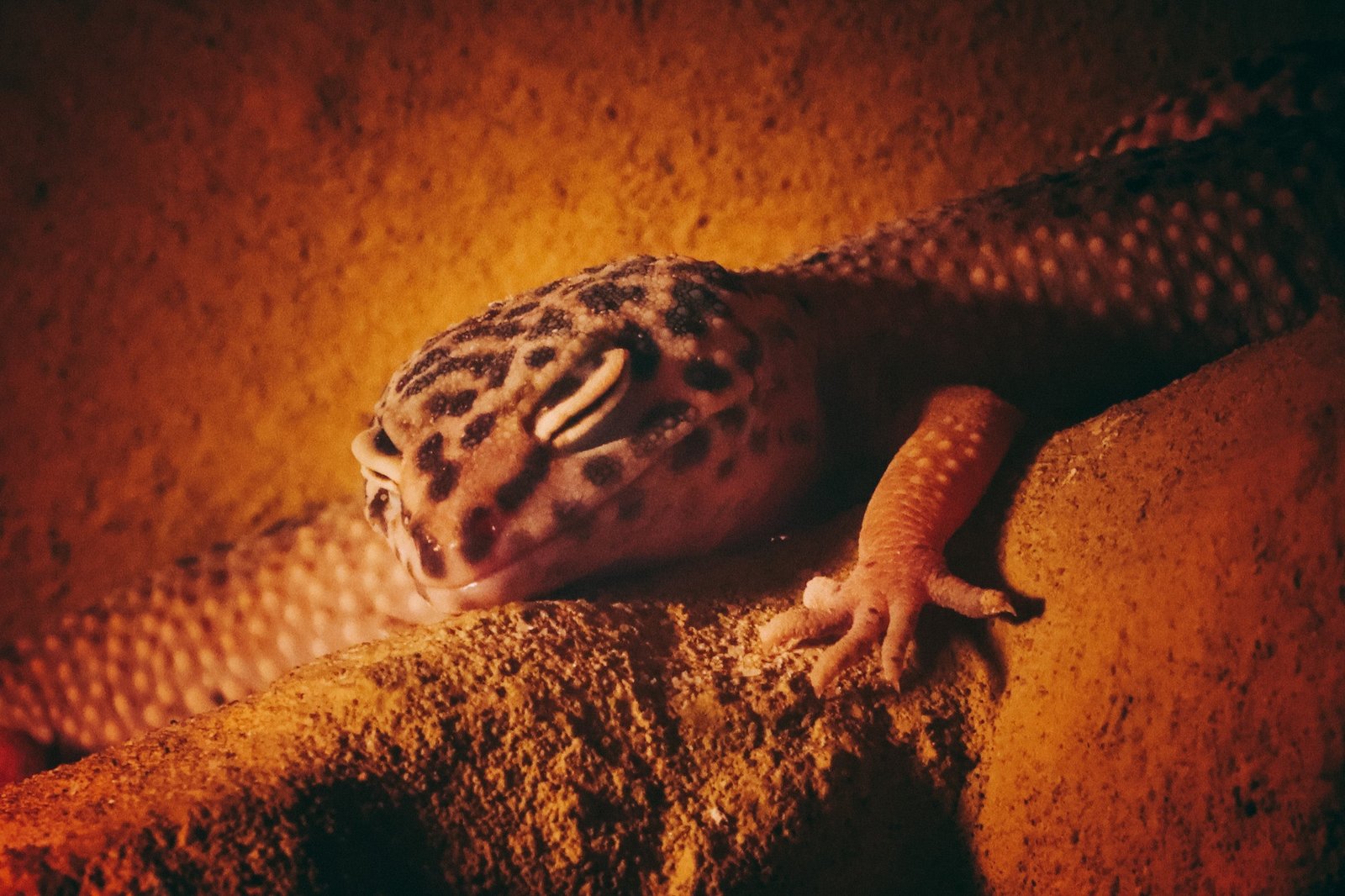
Leopard Gecko Complete Lighting and Heating Guide – Zen Habitats
What “Nocturnal,” “Crepuscular,” and “Diurnal” Really Mean
Before we dive into leopard geckos specifically, let’s quickly define the terms:
- Nocturnal = Active at night and sleeping during the day.
- Diurnal = Active during the day and sleeping at night (like humans and most birds).
- Crepuscular = Most active during twilight—dawn and dusk—when light levels are low but not completely dark. Are Leopard Geckos Nocturnal? The Truth About Their Crepuscular Lifestyle (And What It Means for Your Pet)
Leopard geckos (Eublepharis macularius) fall into the crepuscular category. In the wild, they emerge from rocky crevices and burrows during the soft light of early morning and late evening to hunt insects, avoid extreme desert heat, and dodge daytime predators. Are Leopard Geckos Nocturnal? The Truth About Their Crepuscular Lifestyle (And What It Means for Your Pet)
Leopard Geckos in the Wild: Built for Twilight
Native to the arid, rocky deserts of Pakistan, Afghanistan, and parts of India, leopard geckos evolved to thrive in low-light conditions. Their vertical slit pupils (which look stunning up close) and highly sensitive eyes allow them to see exceptionally well in dim light—almost like they have built-in night vision.
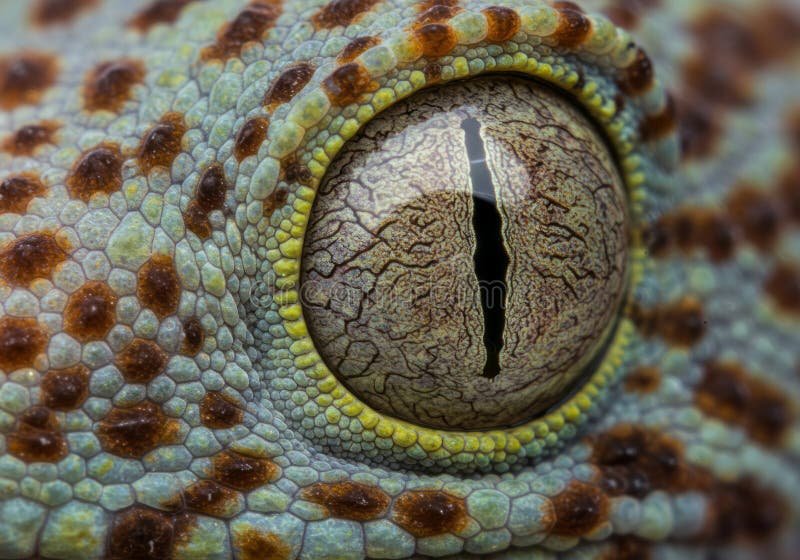
Extreme Close-up of a Geckos Eye with Textured Skin and Vertical Pupil Stock Illustration – Illustration of scales, predator: 412351435
During the scorching day, they stay hidden under rocks or in burrows to conserve energy and stay cool. As the sun sets and temperatures drop, they become active, hunting crickets, beetles, and other small prey.
This crepuscular rhythm is hardwired into their biology. It’s not just a preference—it’s survival.
What Leopard Gecko Owners Actually See in Captivity
Here’s where things get interesting for pet owners.
In home enclosures with a standard 12-hour light / 12-hour dark cycle, many leopard geckos shift their activity slightly later into the night. Once the overhead lights turn off, they often become bold explorers, hunters, and even climbers. This is why so many people (and even some older care sheets) still label them as “nocturnal.”
But watch closely during dawn or dusk and you’ll often see peak activity then too—exactly as nature intended. Some individuals are more strictly crepuscular, while others become almost cathemeral (active at random times). It varies by gecko personality, enclosure setup, and temperature.
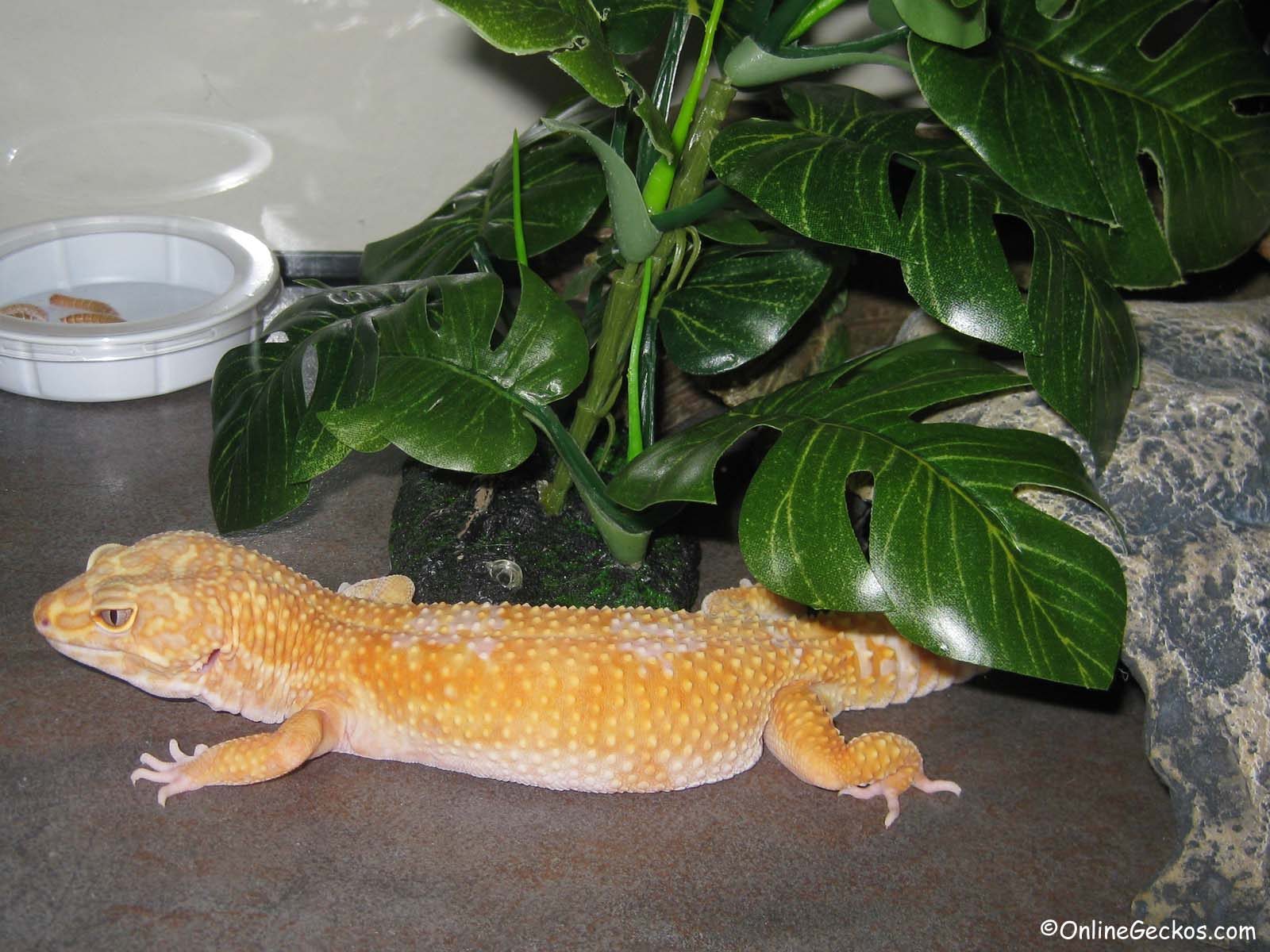
Did You Know? Leopard Geckos Are Crepuscular – OnlineGeckos.com Gecko Breeder
Pro tip: If your gecko seems “lazy” or hides 24/7, check your lighting schedule, temperatures, and hides. A stressed or too-warm gecko will stay hidden even at their natural active times.
Why the “Nocturnal” Label Stuck
Early reptile books and pet store staff simplified things by calling leopard geckos nocturnal because they’re rarely seen during the day. It’s an easy label. But modern herpetology and thousands of keeper observations confirm they’re crepuscular. Many reputable sources now use the more accurate term.
The good news? Leopard geckos are incredibly adaptable. They do just fine in captivity even if their schedule isn’t perfectly “wild.”
Leopard Gecko Care Tips Based on Their Crepuscular Nature
Understanding their true activity pattern helps you set up a better enclosure and routine:
- Lighting Schedule Provide 12 hours of light and 12 hours of complete darkness. Use a timer. Avoid bright lights or colored “night” bulbs—they can stress your gecko and disrupt their natural rhythm. A low-wattage red or purple LED (used sparingly) is fine for viewing without disturbing them.
- Temperature Gradient Warm side: 88–92°F (basking). Cool side: 75–80°F. Nighttime drop to 70–75°F mimics the desert and encourages natural activity.
- Multiple Hides Give them at least three hides: one warm/dry, one cool/dry, and one moist hide. They’ll spend most of the day in the coolest, darkest one.
Gecko in moist hide majority of day | Our Reptile Forum
- Feeding Time Offer live insects in the early evening when they’re naturally gearing up to hunt. This matches their crepuscular instincts and reduces stress.
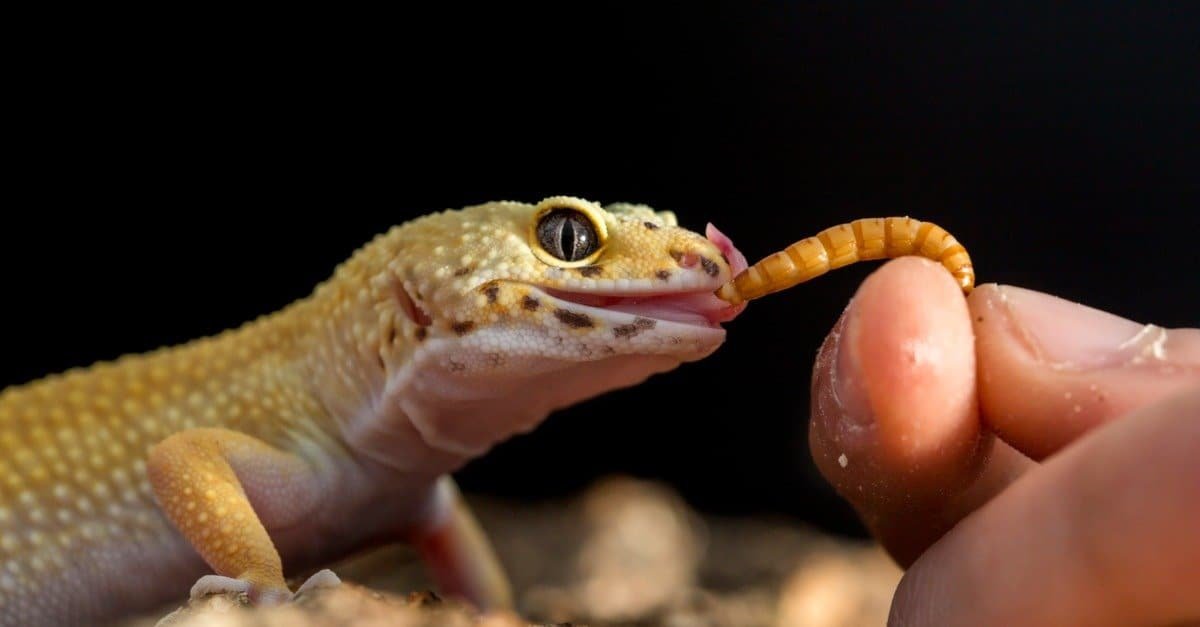
The Leopard Gecko Diet: What Do Leopard Geckos Eat? – A-Z Animals
- Observation Window The best time to interact or watch hunting behavior is right after lights out or just before lights on.
Fun Facts About Leopard Gecko Eyes & Night Vision
- Their eyes have thousands of tiny microstructures that reflect light—similar to a cat’s eyeshine.
- They can distinguish colors even in very low light thanks to special cone cells in their retina.
- They don’t have eyelids, so they lick their eyes to keep them clean!
Common Myths Debunked
- Myth: Leopard geckos sleep all day and never come out until midnight. Truth: They’re most active at twilight. If yours only moves at 2 a.m., your enclosure may be too bright or warm during the day.
- Myth: They need total darkness at night. Truth: They do best with a natural day/night cycle. Complete blackout is fine, but a very dim moon-glow light (optional) won’t hurt.
- Myth: All leopard geckos have the exact same schedule. Truth: Individual personalities vary—just like dogs or cats!
Should You Get a Leopard Gecko If You’re a Night Owl?
Absolutely! Leopard geckos are one of the best beginner reptiles precisely because their schedule aligns well with most people’s evenings. You’ll get to enjoy their quirky personalities, hunting skills, and gentle nature when you’re home from work or school.
Give Your Gecko the Twilight Life It Deserves
Leopard geckos aren’t strictly nocturnal—they’re beautifully crepuscular animals that evolved for those magical twilight hours. By respecting their natural rhythm with proper lighting, hides, temperatures, and feeding times, you’ll see more natural behaviors, better appetite, and a happier, healthier pet.
If you’re setting up your first leopard gecko enclosure or troubleshooting activity issues, drop your questions in the comments below. We love helping new keepers!